
Saffron can add a distinctive aroma, rich flavor, and beautiful golden color to a wide range of dishes, but using it correctly makes a big difference. Learning how to use saffron in cooking can help you get more flavor and color from a small amount while avoiding waste. In this guide, we’ll cover how much saffron to use, how to bloom it, the best ways to add it to cooking, common mistakes to avoid, and how to store it after opening. If you’re curious about its flavor and aroma, read our guide to what saffron tastes like
The simplest way to use saffron is to lightly crush the threads, bloom them in a small amount of warm liquid, and then add both the saffron and the infused liquid to your dish.
How Much Saffron Should You Use?
A small amount of saffron is usually enough to add noticeable color, aroma, and flavor to a dish, so it is best to start with just a few saffron strands and adjust as needed. For many home-cooked recipes, a small pinch of threads can be sufficient, especially when the saffron is high quality. Using too much does not necessarily improve the result and may create an overly strong or slightly bitter flavor.
The ideal amount depends on the type of dish, serving size, and strength of the saffron. Rice dishes, soups, sauces, desserts, and beverages may all require different quantities. When trying a new recipe, it is often best to start with a small amount and adjust gradually rather than adding too much at once. If you’re new to this spice, start with our guide to what saffron is and where it comes from.
If you’re also comparing costs, see our guide to saffron prices in Canada
How to Bloom Saffron for Better Color and Flavor?
Blooming saffron means soaking the threads in a small amount of warm liquid before adding them to a dish. This helps release the saffron’s color, aroma, and flavor more evenly. To bloom saffron, lightly crush a small pinch of threads, place them in a few tablespoons of warm water, milk, or broth, and let them steep for about 10 to 20 minutes.
If you’re wondering how to prepare saffron for cooking, blooming is one of the simplest and most effective methods.
Avoid using boiling liquid, as very high heat can reduce some of saffron’s delicate aroma. Once the liquid turns golden and fragrant, add both the saffron threads and the infused liquid to your recipe. This method works especially well for rice, sauces, desserts, soups, and beverages.
How to Cook with Saffron؟
Cooking with Saffron works best when the spice is prepared and added in a way that allows its flavor, aroma, and color to spread evenly throughout the dish. After blooming the saffron, add the infused liquid during cooking rather than placing dry threads directly into a large pot. This helps distribute the saffron more consistently and makes better use of a small amount.
If you’re learning how to use saffron in cooking, blooming it first is one of the easiest ways to distribute its color and flavor evenly throughout the dish.
Saffron is commonly used in rice dishes, stews, soups, sauces, desserts, and drinks. For a simple aromatic drink, see our guide on how to how to make saffron tea at home. It pairs especially well with ingredients such as rice, dairy, chicken, seafood, nuts, citrus, and warm spices. For delicate dishes, add saffron gradually and taste as you go so that its aroma complements the other ingredients rather than overpowering them.
Can You Eat Saffron Strands?
Yes, you can eat saffron strands, but they are usually more effective when lightly crushed and bloomed before use. Blooming helps release more of the saffron’s color, aroma, and flavor into the dish.
You can also add a few strands directly as a garnish, but for cooking, using the infused saffron liquid usually gives a more even result.
Common Mistakes When Cooking with Saffron
One common mistake is using too much saffron at once. Because saffron has a strong and distinctive flavor, adding an excessive amount can make a dish taste bitter or unbalanced. It is usually better to start with a small quantity and increase it gradually if needed.
Another mistake is exposing saffron to very high heat for too long or adding dry threads without first blooming them. This can reduce the impact of its delicate aroma and lead to uneven color distribution. For better results, bloom the saffron first and add it at a stage of cooking where its flavor can spread without being overheated for an extended period.
How to Store Saffron After Opening
After opening, saffron should be stored in an airtight container in a cool, dry, and dark place. Exposure to light, heat, moisture, and air can gradually reduce its aroma, flavor, and color. A tightly sealed glass jar or food-safe container kept inside a cupboard or pantry is usually a good option.
Avoid storing saffron near the stove, sink, or other areas with frequent temperature changes or humidity. It is also best to keep it away from strongly scented ingredients, since saffron can absorb surrounding odors. Proper storage helps preserve its quality for longer and ensures better results when you use it in future recipes.
Once you know how to use saffron, the key is simple: start with a small amount, bloom it gently, and add the infused liquid to your dish so the color, aroma, and flavor spread evenly.
If you’d like to learn more about premium saffron grades, read our guide to Super Negin saffron.
For the best results, keep saffron sealed tightly and only open the container when needed to help protect its aroma and quality.
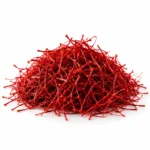
[…] Blooming saffron before adding it to rice helps distribute its color, aroma, and flavor more evenly. Lightly crush the saffron threads between your fingers or with a mortar and pestle, then place them in a small glass or cup. Add about 2 tablespoons of warm—not boiling—water and let the saffron steep for 10 to 15 minutes. […]
[…] Blooming saffron before adding it to tea can help release its color, aroma, and flavor more evenly. Lightly crush the saffron threads, place them in a small cup, and add 1 to 2 tablespoons of warm water. Let them steep for about 10 minutes until the liquid develops a golden color. […]
[…] Blooming saffron before adding it to chicken helps release its color, aroma, and flavor more evenly. Lightly crush the saffron threads and place them in a small cup, then add about 2 tablespoons of warm water. Let the saffron steep for 10 to 15 minutes until the liquid turns a rich golden color. […]
[…] you are new to the spice, our guide to using saffron explains how much to use and how to bloom it […]
[…] Because saffron is highly concentrated, only a small amount is usually needed. The threads are often bloomed in warm water before being added to a recipe so that their color and aroma spread more evenly throughout the dish. For practical preparation tips, see our guide on how to use saffron. […]