
This comforting kesar kheer recipe makes Indian-style saffron rice pudding with basmati rice, milk, a little sugar, cardamom and whole saffron threads. Unlike savoury saffron rice, kheer is a creamy dessert made by gently cooking rice in milk until the grains soften and the mixture thickens. Serve it warm or chilled, with optional chopped pistachios or almonds.
What Is Kesar Kheer?
Kheer is a family of South Asian milk-based desserts. In rice kheer, uncooked rice is simmered slowly in milk; kesar simply means saffron. Adding saffron gives the pudding a delicate aroma and a pale golden shade. Kheer is different from kesar milk, a drink without rice, and from saffron rice, a savoury side dish.
Kesar Kheer Recipe at a Glance
- Yield: about 4 small dessert servings
- Prep time: 10 minutes, plus an optional 15-minute rice soak
- Cooking time: approximately 35–50 minutes
- Method: stovetop, low and slow
- Texture: creamy and spoonable, thicker as it cools
Ingredients for Saffron Rice Pudding
- 1/4 cup (about 45–50 g) uncooked basmati rice
- 4 cups (about 1 litre) milk — whole milk creates a richer pudding
- 12–18 saffron threads — a small pinch, adjusted to taste
- 3–4 tablespoons sugar — adjust to your preference
- 1/4 teaspoon ground green cardamom or seeds from 2 lightly crushed green cardamom pods
- 1–2 tablespoons chopped pistachios or almonds — optional; omit for nut allergies
- 1 teaspoon rose water — optional; add sparingly at the end
Use plain, unsweetened milk rather than flavoured milk. Start with the lower sugar amount and taste near the end. No artificial colouring is required. For a small batch, use a heavy-bottomed saucepan to reduce the chance of scorching.
How to Make Kesar Kheer Step by Step

- Rinse the rice. Rinse the basmati in cool water until the water becomes less cloudy. Drain. If time allows, soak in fresh water for 15 minutes and drain again; this can help it cook more evenly.
- Bloom the saffron. Warm 2 tablespoons of milk taken from the measured 4 cups. Add the saffron threads and let them infuse for 10–15 minutes while you begin the pudding.
- Bring the milk to a gentle simmer. Pour the remaining milk into a heavy-bottomed saucepan over medium heat. Stir regularly, especially along the bottom, and reduce the heat before it boils over.
- Cook the rice. Stir in the drained rice. Simmer uncovered on low to medium-low heat for approximately 30–40 minutes, stirring often and scraping the bottom gently. The rice should become tender and the milk should gradually thicken.
- Add saffron and flavourings. Stir in the infused milk, softened saffron threads and cardamom. Add sugar once the rice is nearly tender, then simmer another 5–10 minutes until fully cooked and creamy.
- Adjust the consistency. Turn off the heat while the mixture is slightly looser than you want to serve: kheer thickens as it cools. If it becomes too thick, stir in a small splash of warm milk.
- Serve. Add optional rose water off the heat. Divide among four bowls, top with chopped nuts if desired, and serve warm or chill promptly for a cold dessert.
Cooking cue: A spoon should move through the pudding easily, with soft grains suspended in creamy milk. Stovetops, saucepan shapes and rice varieties vary, so use tenderness and texture—not the clock alone—to decide when it is ready.
When Should You Add Saffron to Kheer?
For this kesar kheer recipe, steep the threads separately in a little warm milk and stir the infusion in during the final stage of cooking. This helps distribute the colour and aroma without needing a large amount of the spice. Avoid adding dry threads only at the very last second, when they have less time to infuse. See our guide to blooming saffron for other cooking methods.
How to Make Creamy Kheer Without Burning the Milk
- Use a heavy pan: It spreads heat more evenly and helps reduce hot spots.
- Stir frequently: Pay attention to the base and corners of the pan as the milk concentrates.
- Keep the heat gentle: Rapid boiling can cause scorching and boil-overs.
- Be patient with the rice: The grains need time to soften and naturally thicken the milk.
- Adjust at the end: Add small amounts of warm milk if the pudding becomes too thick.
Can You Make Kesar Kheer with Other Types of Rice?
Basmati gives a familiar flavour and is easy to find in Canadian grocery stores, but other plain white rice varieties can work. Short-grain rice may produce a softer, starchier texture. Cooking time and the amount of thickening will vary. Avoid substituting already-cooked rice without adjusting the method and liquid, because it will not behave the same way as uncooked rice.
How to Serve and Store Saffron Kheer
Kheer can be served warm after a short rest or chilled until cold. Garnish with a few pistachios, almonds or saffron threads for presentation, keeping dietary restrictions in mind. If serving chilled, transfer it to a shallow covered container and refrigerate promptly rather than leaving milk-based pudding at room temperature.
Use refrigerated leftovers within about 2–3 days for best quality. Stir before serving, and if reheating, warm gently and thoroughly with a small splash of milk as needed. Discard the dessert if it has been left unrefrigerated for an unsafe length of time or shows signs of spoilage.
Where to Buy Saffron for Kheer in Canada
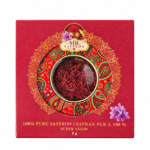
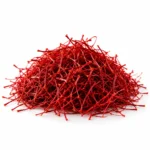
When shopping for the ingredients in this kesar kheer recipe, look for genuine whole saffron threads with clear packaging and seller information. Our Kesar vs Saffron article explains the names, while our authenticity guide covers practical buying checks. For home cooking, browse 5 g Super Negin saffron threads or the MR SAFFRON online shop; refer to product pages for availability and current prices.
Frequently Asked Questions
Is kesar kheer the same as regular rice kheer?
It is rice kheer flavoured with saffron. Other rice kheer recipes may rely more on cardamom, nuts or other aromatics and may leave out saffron entirely.
Can I use saffron powder instead of threads?
Pure saffron powder can flavour the pudding, but whole threads are easier to inspect before purchase and simple to bloom in warm milk. Avoid coloured or sweetened saffron-flavoured mixes unless you intend to use those additional ingredients.
Can I make kheer ahead of time?
Yes. Refrigerate it promptly and keep it covered. The pudding thickens as it cools; stir in a little milk before serving if you prefer a looser texture.
Can I make this pudding without nuts?
Yes. Nuts are optional garnishes. If you are preparing food for someone with an allergy, also check that your ingredients and cooking utensils are suitable.
Why is my kheer runny or too thick?
Runny pudding may need more gentle simmering to soften the rice and reduce the milk. If it is too thick, gradually stir in warm milk until it reaches the consistency you like.
More saffron ideas: Try a glass of homemade kesar milk or learn how to use saffron in biryani for a savoury dish.