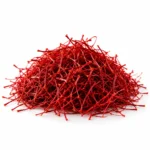

Learning how to use saffron in biryani can help you give rice a warm golden colour and delicate floral aroma without overwhelming the other spices. The easiest method is to bloom a small pinch of saffron threads in warm milk or water and drizzle the infusion over your rice before the final steaming stage.
How Much Saffron Should You Use for Biryani?
For a home batch of biryani made with about 2 cups of uncooked basmati rice (approximately 4–6 servings), start with 10–15 genuine saffron threads or a small pinch. The spice varies in strength, and you can adjust the quantity next time based on colour and flavour. You do not need to make every grain bright yellow.
How to Bloom Saffron for Biryani

- Put a small pinch of saffron threads in a clean bowl or cup.
- Gently crush the threads with the back of a spoon. This is optional but helps them release colour.
- Add 2–3 tablespoons of warm, not aggressively boiling, milk or water.
- Let the saffron steep for around 10–15 minutes, until the liquid develops a golden colour and a noticeable aroma.
- Drizzle the saffron infusion over the partly cooked rice during the biryani layering stage.
For a dairy-free or vegan biryani, use warm water rather than milk. If your recipe includes rose water or kewra water, use them sparingly so they do not overpower the saffron.
When Should You Add Saffron to Biryani?
Drizzle the infused saffron over the rice during layering, just before the covered final steam (often called dum). In layered recipes, the rice is usually partly cooked before assembly; follow your biryani recipe for the cooking stage. Drizzle the infusion in a few narrow streaks rather than mixing it through every grain. The result is a distinctive combination of white and golden basmati rice with a gentle floral aroma.
Saffron Milk or Saffron Water: Which Is Better?
Both methods work. Warm milk can add a little richness to biryani and is used in many traditional recipes. Warm water is a simple option for lighter or dairy-free preparations. The key is allowing whole threads time to infuse before adding the liquid to the rice.
Common Saffron Mistakes in Biryani
- Adding dry threads at the last moment: They may not distribute their aroma or colour evenly.
- Using too much: Excess saffron can create an overpowering or bitter flavour.
- Relying on food colouring: Colour does not provide authentic saffron flavour.
- Buying an unclear product: Compare whole threads, ingredient information and packaging rather than relying on colour alone.
- Overmixing rice: Gentle layering helps preserve the contrast between white and saffron-coloured grains.
How to Choose Saffron for Biryani in Canada
Whether your biryani recipe calls it kesar or saffron, both names refer to the same spice. When selecting the threads, look for genuine whole stigmas, well-described packaging and clear seller information. Read our Kesar vs Saffron guide for the terminology, or see how to evaluate saffron authenticity.
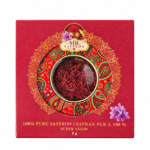
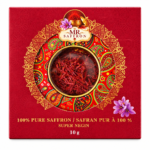
For Canadian home cooks, MR SAFFRON offers 5 g Super Negin saffron threads. You can also browse our saffron shop or compare saffron prices in Canada. Prices and stock availability are shown on the relevant product page.
What Makes Saffron Biryani Different from Saffron Rice?
In many layered biryani recipes, saffron-infused milk or water is drizzled over the top layer before the final covered steam, creating golden streaks among the basmati grains. A simple saffron rice recipe can be prepared separately as a side dish and typically distributes the colour more evenly. This guide focuses on how to use saffron in biryani, rather than preparing an entire chicken or vegetable biryani from scratch.
Frequently Asked Questions
Do I need to soak saffron before adding it to biryani?
Blooming the threads in a little warm liquid is recommended because it helps distribute colour and aroma. It is a simple step for a more consistent result.
Can I make saffron biryani without milk?
Yes. Warm water works well and keeps the saffron infusion dairy-free.
Should I add saffron while boiling the rice?
Most layered biryani methods add saffron infusion during assembly, before the final covered steam, rather than cooking all the saffron in the boiling water.
How do I keep saffron fresh between recipes?
Store saffron tightly sealed in a cool, dry, dark place. Learn more in our saffron storage guide.