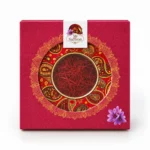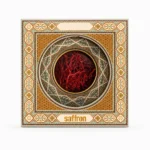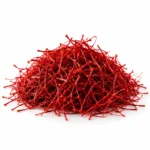

If you are wondering how to store saffron, the goal is simple: protect the threads from light, moisture, heat and unnecessary air exposure. Saffron can keep its quality for a long time when it is stored carefully, but poor storage can gradually reduce its colour strength, aroma and overall freshness.
This guide explains the best way to store saffron at home, what kind of container to use, where to keep it, how shelf life works and which common storage mistakes to avoid.
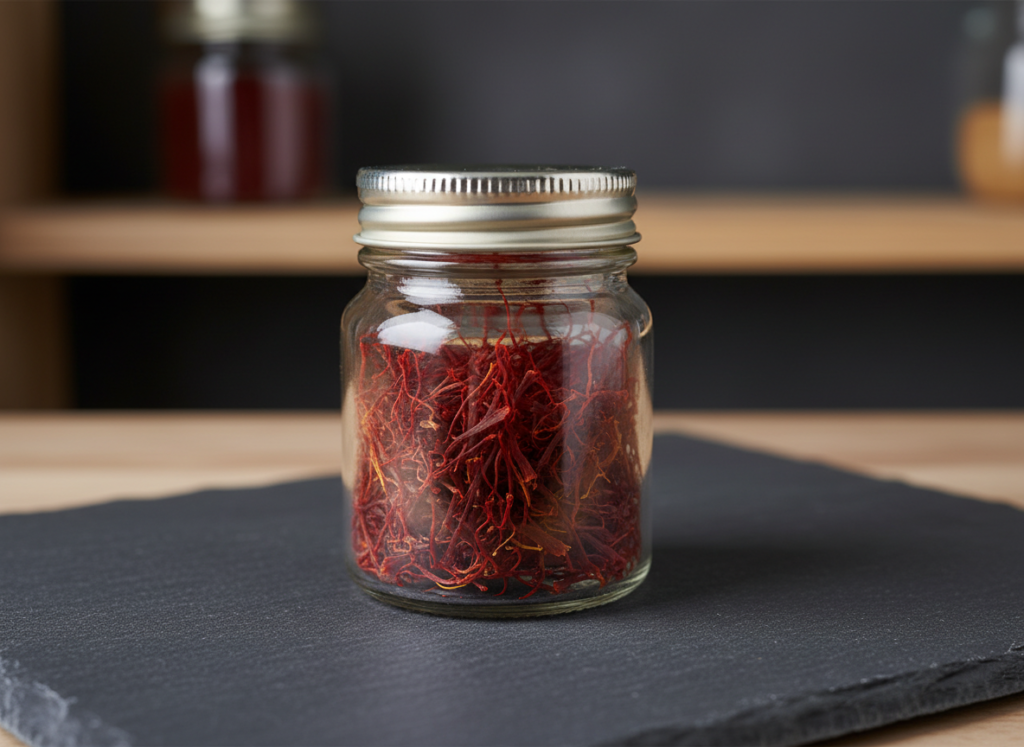
How to Store Saffron Properly
The best everyday method is to keep saffron in a tightly closed container in a cool, dry and dark place. A cupboard or pantry away from the stove, oven, dishwasher, kettle and direct sunlight is usually a better choice than an exposed countertop.
Research on saffron quality shows that light, temperature and moisture can affect important compounds such as crocins, picrocrocin and safranal. These compounds are associated with saffron’s colour, taste and aroma, which is why careful storage matters.
1. Use an Airtight Container
Store saffron in a container that closes securely. A small glass jar, metal tin or well-sealed food-safe container can work well. The important point is to limit exposure to humidity and outside air while also keeping the saffron physically protected.
Avoid leaving saffron in an open dish or loosely folded bag after opening the package. Repeated exposure to kitchen humidity and cooking vapour is unnecessary and can make storage conditions less stable.
2. Protect Saffron From Light
Light exposure can contribute to the degradation of saffron pigments. This is especially relevant to crocins, which are responsible for saffron’s characteristic colour. For that reason, an opaque container or a dark cupboard provides better protection than a clear jar left in direct sunlight.
A peer-reviewed study on saffron preservation found that light exposure can affect crocin stability during storage. You can read the scientific study on saffron preservation and light exposure for more detail.
3. How to Store Saffron: Keep It Away From Heat
Avoid storing saffron immediately beside a stove, oven or other appliance that regularly produces heat. A stable room-temperature cupboard is usually more practical for normal household use than a location where the temperature changes repeatedly throughout the day.
Heat matters because saffron’s key compounds can change during storage. Studies have shown that temperature and light can influence crocin stability, particularly under harsher storage conditions.
4. How to Store Saffron: Keep It Dry
Moisture is another reason to keep the container tightly closed. Do not use a wet spoon or damp fingers when handling saffron, and avoid opening the container directly over steaming food or boiling water.
If you grind only the amount you need for a recipe, you can keep the remaining whole threads protected in their original container instead of repeatedly exposing the full quantity.
5. Store Whole Threads When Possible
Whole saffron threads are easier to inspect and portion than pre-ground saffron. Keeping the threads whole until you are ready to use them also reduces unnecessary handling.
When you are ready to cook, grind or crush only the amount you need and then bloom it according to your recipe. For preparation methods, see our guide on how to use saffron.
How Long Does Saffron Last?
Saffron does not suddenly become useless on one specific day, but its sensory quality can change over time. Research comparing freshly dried and stored saffron has found changes in its chemical profile during storage, including a reduction in colour-related crocins and changes in aroma-related compounds.
For home use, it is better to think in terms of quality retention rather than relying only on a calendar date. Keep the package sealed, follow the seller’s best-before guidance and use older saffron before opening a newer package.
Does Saffron Expire?
Packaged saffron may carry a best-before or similar date, but freshness is also influenced by how it was packaged and stored before and after purchase. If saffron has been exposed to moisture, contamination or an unusual odour, do not rely only on the printed date.
If you are unsure whether a product looks genuine or has unusual material mixed into it, use our separate guide on how to tell if saffron is real. That article focuses on authenticity rather than storage, so the two guides serve different purposes.
How to Store Saffron: Should You Refrigerate It?
For most everyday household use, refrigeration is not necessary if saffron is kept sealed in a cool, dry, dark cupboard. Refrigerators can introduce condensation risks when containers are repeatedly opened and closed, especially if warm humid air reaches the saffron.
If saffron is stored cold for a specific reason, the container should remain tightly sealed and moisture exposure should be carefully controlled. For ordinary kitchen storage, consistency and dryness are more important than making the saffron as cold as possible.
Can You Freeze Saffron?
Freezing is generally unnecessary for normal retail quantities that will be used within a reasonable period. The main practical concern is condensation when a cold container is opened. For typical home use, a sealed container in a dark cupboard is simpler and avoids this issue.
Common Saffron Storage Mistakes
- Leaving saffron in direct sunlight.
- Keeping it beside the stove or oven.
- Using a container that does not close properly.
- Opening the container over steam or boiling water.
- Handling saffron with wet utensils or damp hands.
- Grinding the entire package long before it will be used.
- Buying more saffron than you are likely to use while it is at its best.
How to Store Saffron After Opening
After opening a package, return the saffron to its tightly closed container immediately after each use. Keep it in a dark, dry cupboard and minimise the time the container remains open. If the original packaging does not reseal well, transfer the saffron to a clean, dry, food-safe container with a secure lid.
Buying Saffron in a Practical Quantity
When deciding how to store saffron for regular use, start by buying an appropriate amount. If you cook with saffron only occasionally, a smaller package may make more sense than keeping a large quantity open for a long time. Frequent users, restaurants and food businesses may benefit from larger sizes when turnover is faster.
MR SAFFRON offers premium Persian Super Negin saffron in retail package sizes for Canadian customers. For larger-volume requirements, see our wholesale saffron page.
Frequently Asked Questions About Saffron Storage
What is the best container for saffron?
A small airtight container that protects the saffron from moisture and light is a practical choice. Glass jars can work well when they are stored inside a dark cupboard rather than left in sunlight.
Where should saffron be stored?
Store it in a cool, dry and dark place away from direct sunlight, steam and strong heat sources.
Does saffron lose colour over time?
It can. Research on stored saffron has observed changes in crocins, the compounds associated with saffron’s colour. Good storage helps slow quality loss.
Should saffron be stored in the fridge?
It is generally not necessary for everyday household use. A tightly sealed container in a cool, dry, dark cupboard is usually simpler and reduces condensation concerns.