
Kesar vs saffron: are they the same spice? Yes. In many South Asian households, kesar is the familiar name for the culinary spice sold in English as saffron. Both names refer to the dried red stigmas of the Crocus sativus flower. For shoppers in Canada, the more important questions are the saffron’s grade, origin, thread quality and how clearly the seller describes the product.
Is Kesar Different from Saffron?
No. Kesar and saffron are two names for the same spice. “Kesar” (केसर) is widely used in Hindi and several South Asian culinary contexts; “saffron” is the English term. The name alone does not identify a different variety, quality level or country of origin.
Whether a Canadian food shop describes a product as kesar threads or saffron threads, check the actual ingredients and product information. Genuine culinary saffron comes from Crocus sativus; a colour additive, safflower or a “saffron-flavoured” product is not the same as whole saffron stigmas.
Why Do Some Canadian Stores Call It Kesar?
When comparing kesar vs saffron on Canadian grocery shelves, remember that the names usually describe the same ingredient, not separate spices. You may encounter “kesar” in South Asian recipes for biryani and sweets or in searches such as kesar in Canada. The English word “saffron” is also common in spice shops and restaurant recipes. Both searches can lead to genuine culinary saffron.
Does Kesar Mean Kashmiri Saffron?
Not necessarily. Kesar is a name for saffron, not a guarantee of Kashmiri origin. Saffron is grown and sold from different regions, and sellers should identify origin accurately. If you specifically want saffron produced in Kashmir, check the supplier’s documented country and region of origin instead of relying on the word “kesar.”
Likewise, Super Negin, Negin and Sargol are trade-grade descriptions, not synonyms for the term kesar. That is why a kesar vs saffron comparison should not be confused with a comparison of saffron grades. For a fuller explanation, read our Super Negin vs Negin vs Sargol guide.
How to Choose Good Kesar or Saffron Threads
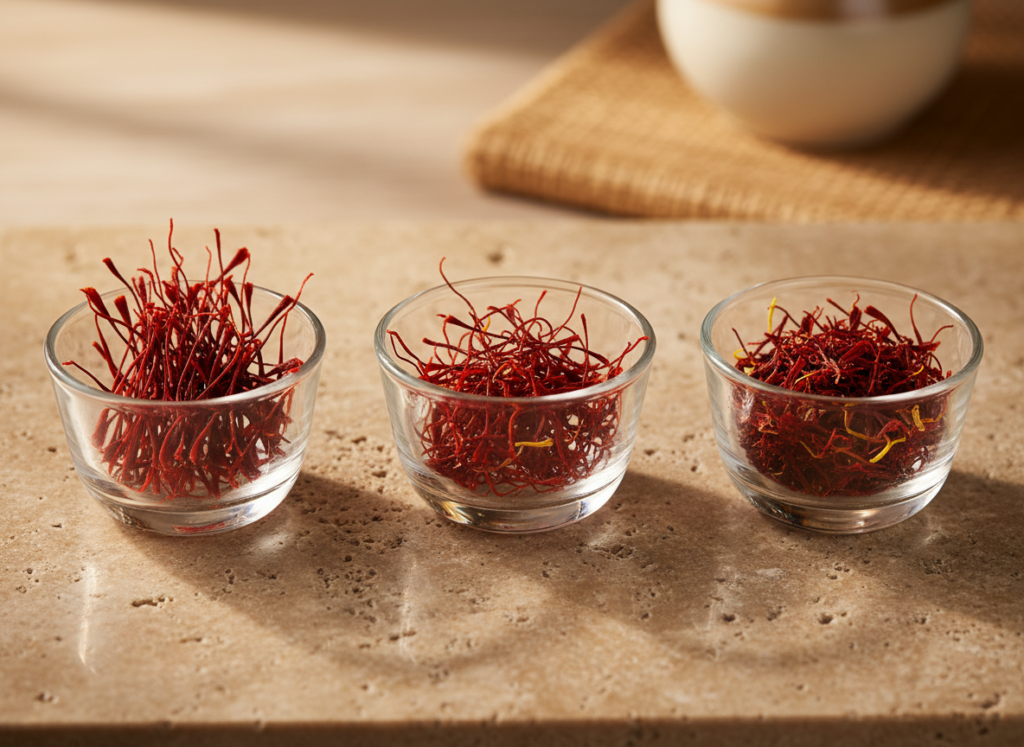
- Choose identifiable threads: Whole stigmas let you examine shape and colour more easily than powder.
- Check the label: Look for the type of ingredient, net weight, origin information and seller details.
- Evaluate the aroma: Saffron has a distinctive complex aroma; unusual added fragrance can be a warning sign.
- Consider packaging: A well-sealed container helps protect the spice from light, air and moisture.
- Avoid certainty from a single home test: Water tests may provide clues, but they do not conclusively prove purity or origin.
For more practical buying tips, read how to tell if saffron is real and our Canadian saffron buying checklist.
How Is Kesar Used in Cooking?
The same saffron threads can be used in savoury and sweet dishes. Kesar is especially familiar in recipes such as biryani, kheer and kesar doodh (saffron milk). Learn how to make kesar milk at home using whole saffron threads, or explore the spice in rice dishes, tea and sauces across many cuisines.
To get more even colour and aroma, gently crush a few threads and allow them to steep in a small amount of warm water or milk before stirring the infusion into the dish. See our guide to preparing saffron, learn how to use saffron in biryani, or try an easy saffron rice recipe.
Where to Buy Kesar in Canada
If you are shopping for kesar in Canada, compare the product’s thread quality, packaging and origin information before selecting a seller. The kesar vs saffron distinction is primarily about naming, so focus on the product itself. You can find saffron through specialty grocery stores and Canadian online saffron retailers. If you are comparing package sizes, start with our guide to buying saffron in Canada.
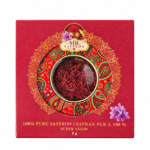
MR SAFFRON offers premium Super Negin whole saffron threads for customers in Canada. Explore the online saffron shop, view the 5 g product, or enquire about bulk saffron. Check the product pages for current stock and pricing.
Frequently Asked Questions About Kesar
Is kesar the same as saffron?
Yes. Kesar is a South Asian name commonly used for saffron, the dried stigmas of the Crocus sativus flower.
Is kesar always from Kashmir?
No. The word kesar does not establish where the saffron was grown. Check the product’s origin information.
Can I use saffron labelled “saffron” in a recipe calling for kesar?
Yes, provided it is genuine culinary saffron. Whole saffron threads can be used in recipes that call for kesar.
Is Super Negin the same as kesar?
Super Negin describes a commercial saffron grade; kesar is a name for the spice. They are not interchangeable grading terms.
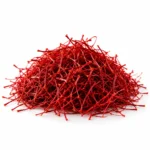
[…] look for genuine whole threads, well-described packaging and clear seller information. Read our Kesar vs Saffron guide for the terminology, or see how to evaluate saffron […]
[…] Kesar milk is a traditional saffron-flavoured milk drink enjoyed in many Indian households. The word kesar refers to saffron, while doodh means milk in Hindi. The drink typically combines milk, saffron and a little sweetener; cardamom, almonds and pistachios are common optional additions. If you are unsure about the ingredient name, see our Kesar vs Saffron guide. […]