
Real saffron is one of the world’s most valuable spices, which also makes it a common target for adulteration and low-quality substitutes. Learning how to tell if saffron is real can help you avoid poor-quality products and choose threads with better aroma, color, and flavor. In this guide, we’ll look at the main signs of high-quality saffron, simple at-home checks, and what Canadian buyers should consider before purchasing.
What Does Real Saffron Look and Smell Like?
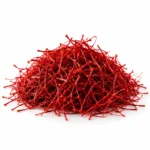
Real saffron is made from the dried stigmas of the Crocus sativus flower. The threads are usually deep red, with a slightly lighter or orange-red tip, and they should look naturally uneven rather than perfectly identical. High-quality saffron threads are typically dry, delicate, and free from excessive yellow or pale plant material.
The aroma is another important clue. Real saffron has a distinctive, complex scent that is often described as warm, floral, earthy, and slightly honey-like. It should not smell strongly sweet, artificial, or perfumed. While appearance and aroma alone cannot prove authenticity, they are useful first indicators when evaluating saffron quality.
How to Check Saffron Threads for Quality
Start by looking closely at the threads. High-quality saffron should contain mostly intact red stigmas rather than a large amount of powder, dust, or pale plant material. The threads should have a natural variation in shape and thickness, with a rich red color and only a small amount of lighter orange-red at the ends. Excessive yellow strands can indicate lower-grade material.
You should also check the overall condition of the saffron. Good-quality threads are dry and lightweight, but they should not appear excessively crushed or damp. Very uniform-looking strands, unusually bright artificial colors, or a large amount of broken material can be warning signs that the product has been heavily processed, mixed, or handled poorly.
How to Tell If Saffron Is Real at Home
One simple at-home check is to place a few saffron threads in warm water. Real saffron typically releases its color gradually, turning the water a golden-yellow shade while the threads remain visible and retain much of their structure. If the water becomes intensely red almost immediately or the threads quickly lose all their color, the product may contain added dyes or other materials.
However, no single home test can confirm saffron authenticity with complete certainty. Color release can vary depending on the grade, age, and condition of the saffron. For this reason, it is better to consider several factors together—including appearance, aroma, packaging information, origin, and the reputation of the seller—rather than relying on one test alone.
Common Signs of Fake or Adulterated Saffron
Some warning signs can suggest that saffron may be adulterated or lower in quality. These can include an unusually bright or artificial red color, a large amount of powder or debris, excessive yellow plant material, or threads that look perfectly uniform. A very weak aroma or an overly sweet, chemical-like smell can also be a reason to look more carefully at the product.
Price can be another useful clue. Genuine saffron requires significant labour to harvest and process, so products sold at an unusually low price should be approached with caution. Price alone does not determine quality, but when combined with unclear origin, poor packaging, or missing product information, it can be a sign that further verification is needed. If you’re new to this spice, start with our guide to what saffron is and where it comes from.
How to Buy High-Quality Saffron in Canada
When buying saffron in Canada, look for clear information about the product’s grade, origin, weight, and packaging. A reputable seller should make it easy to understand what type of saffron you are purchasing and provide enough product detail to compare quality and value. For whole-thread saffron, visible deep-red stigmas and minimal yellow material are generally preferable to heavily powdered products.
Canadian buyers should also compare saffron based on quality rather than price alone. Premium grades such as Super Negin typically command a higher price because of their thread length, appearance, and careful processing. Buying from a Canadian supplier can also make shipping, customer support, and product information easier to verify before placing an order.
You can also compare current saffron pricing in Canada before deciding which grade and quantity best fit your needs.
[…] home-cooked recipes, a small pinch of threads can be sufficient, especially when the saffron is high quality. Using too much does not necessarily improve the result and may create an overly strong or slightly […]
[…] high-quality saffron. A small amount of good saffron gives better aroma and color than using more low-quality […]
[…] one cup of saffron tea, 6 to 8 saffron threads are usually enough to create a noticeable aroma, color, and flavor. Because saffron is […]