
Saffron is a spice made from the dried red stigmas of the Crocus sativus flower. Known for its distinctive floral aroma, earthy flavor, and rich golden color, saffron is used in rice dishes, desserts, tea, sauces, and many traditional cuisines around the world.
In this guide, you’ll learn what saffron is, where it comes from, what it tastes like, how it is used, how to identify high-quality saffron, and what makes premium grades such as Super Negin different.
How Is Saffron Produced?
Saffron comes from the flower Crocus sativus, commonly known as the saffron crocus. Each flower produces only three delicate red stigmas, which are carefully harvested by hand and then dried to create the spice we use in cooking.
Because so few threads come from each flower and harvesting is highly labour-intensive, saffron is produced in very small quantities compared with most other spices. This is one of the main reasons genuine saffron is so valuable.
Origin and Major Producing Regions
Saffron has been cultivated for thousands of years and is strongly associated with regions across the Middle East, Central Asia, and the Mediterranean. Today, Iran is the world’s largest producer of saffron and is especially well known for producing high-quality Persian saffron.
The climate and growing conditions of saffron-producing regions can influence the appearance, aroma, and overall quality of the threads. Premium Persian saffron is often valued for its deep red colour, strong aroma, and carefully selected stigmas.
Appearance and Thread Quality
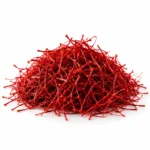
High-quality saffron consists of fine, dry threads that are usually deep crimson-red with slightly lighter orange-red tips. The threads should look naturally irregular rather than perfectly identical, and premium saffron generally contains very little yellow or pale plant material.
The shape and appearance of the threads can also provide clues about quality. Longer, intact stigmas with a rich red colour are typically preferred over heavily broken, powdered, or unusually bright strands.
Flavor and Aroma
Saffron has a distinctive flavor that is often described as floral, earthy, warm, and slightly bitter. Its aroma is an important part of the experience and may also have subtle honey-like notes. When used in the right amount, saffron should add delicate depth rather than overpowering bitterness.
The exact flavor can change depending on the quality of the threads, how much saffron is used, and how it is prepared. Blooming the threads before cooking helps release their aroma, color, and flavor more evenly. For a more detailed explanation, read our guide to what saffron tastes like.
Common Culinary Uses
Saffron is used primarily as a culinary spice because of its distinctive aroma, delicate flavor, and ability to give food a rich golden color. It is especially common in rice dishes, soups, sauces, seafood, chicken, desserts, and traditional drinks.
Because saffron is highly concentrated, only a small amount is usually needed. The threads are often bloomed in warm water before being added to a recipe so that their color and aroma spread more evenly throughout the dish. For practical preparation tips, see our guide on how to use saffron.
Best Ways to Use It
Saffron is usually used in small amounts because its flavor, aroma, and color are highly concentrated. For most home recipes, a small pinch of threads is enough to add noticeable character without making the dish overly bitter.
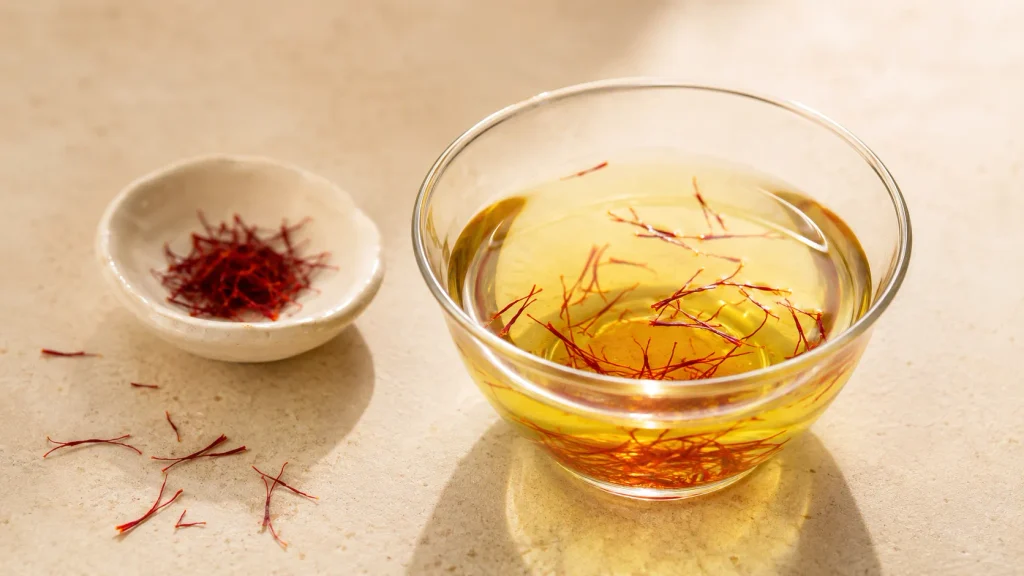
One of the best ways to use saffron is to lightly crush the threads and bloom them in a small amount of warm water for about 10–15 minutes. Once the liquid turns golden and fragrant, add both the infused liquid and the softened threads to the dish.
Saffron works especially well in rice, tea, chicken, seafood, soups, sauces, and desserts. It is generally better to add the bloomed saffron during cooking rather than exposing dry threads to intense heat for a long time. For step-by-step instructions, see our practical guide to using saffron.
Is It Hot or Spicy?
Saffron is not spicy in the same way as chili, black pepper, or other hot spices. It does not create heat or a burning sensation. Instead, saffron has a delicate floral, earthy, and slightly bitter flavor with a distinctive aroma.
Because of its strong character, using too much saffron can make a dish taste overly bitter or medicinal. A small amount is usually enough to add depth, aroma, and color without overpowering the other ingredients. To learn more about its flavor profile, see what saffron tastes like.
Saffron vs Turmeric
No. Saffron and turmeric are completely different spices. Saffron comes from the dried stigmas of the Crocus sativus flower, while turmeric is made from the underground rhizome of the Curcuma longa plant.
Although both spices can give food a yellow or golden color, their flavor and aroma are very different. Saffron is more delicate, floral, earthy, and aromatic, while turmeric has a stronger earthy and slightly peppery character. They are not direct substitutes for one another in recipes.
What Is Super Negin?
Super Negin is a premium grade of Persian saffron known for its long, thick, deep-red stigmas and minimal yellow or pale material. The threads are carefully selected for appearance, aroma, color strength, and overall quality.
Compared with lower grades, Super Negin saffron typically contains longer and more uniform red threads, which makes it especially popular for premium cooking, gifting, and buyers who want visually impressive whole-thread saffron. Learn more about Super Negin saffron and what makes this premium grade different.
How to Identify Real Saffron
Real saffron is made from dried red stigmas of the Crocus sativus flower and should have a natural deep-red color, delicate thread structure, and a distinctive floral, earthy aroma. High-quality saffron usually contains mostly intact red threads with very little yellow or pale plant material.
One simple at-home check is to place a few threads in warm water. Genuine saffron typically releases its color gradually, turning the water golden-yellow while the threads remain visible. If the water becomes intensely red almost immediately, or the threads quickly lose all their color, the product may contain added dyes or other materials. For more detailed checks, see our guide on how to tell if saffron is real and more!
Buying Premium Saffron in Canada
When buying saffron in Canada, look for a seller that provides clear information about the saffron’s grade, origin, weight, and packaging. Whole saffron threads are generally easier to evaluate visually than powdered saffron, especially when comparing color, thread length, and the amount of yellow or pale material.
MR SAFFRON offers premium Persian Super Negin saffron through convenient online ordering, with shipping available across Canada. Customers can compare available sizes, product details, and pricing before choosing the option that best fits their needs. You can shop saffron online in Canada or compare the current saffron price in Canada before ordering.
Frequently Asked Questions
What is saffron made from?
Saffron is made from the dried red stigmas of the Crocus sativus flower. Each flower produces only three stigmas, which are harvested and dried to create saffron threads.
Why is saffron so expensive?
Saffron is expensive because harvesting is highly labour-intensive and each flower produces only a very small amount of spice. Large numbers of flowers are needed to produce even a small quantity of dried saffron.
What is saffron used for in cooking?
Saffron is commonly used in rice, chicken, seafood, soups, sauces, desserts, and drinks. It adds a distinctive aroma, delicate flavor, and golden color to food.
How much saffron should you use?
A small pinch is usually enough for most home recipes. Because saffron is highly concentrated, using too much can make the flavor overly bitter. Blooming the threads before cooking helps distribute the flavor and color more evenly.
Is saffron a spice or an herb?
Saffron is classified as a spice. Unlike many spices that come from seeds, bark, roots, or fruits, saffron comes from the dried stigmas of a flower.
What is the difference between saffron and Super Negin saffron?
Saffron is the general name of the spice, while Super Negin refers to a premium grade of Persian saffron characterized by long, deep-red threads and minimal yellow material.
Final Thoughts
Saffron is one of the world’s most distinctive spices, valued for its deep-red threads, floral aroma, delicate flavor, and ability to give food a rich golden color. It comes from the dried stigmas of the Crocus sativus flower and is used in cuisines around the world, especially in rice, tea, desserts, sauces, and savoury dishes.
Understanding what saffron is, how to use it, and how to recognize quality can make it much easier to choose the right product. Premium whole-thread saffron, including Persian Super Negin, is especially valued for its appearance, aroma, and carefully selected red stigmas.
If you are looking for premium saffron in Canada, you can explore our Super Negin saffron or shop saffron online through MR SAFFRON.
[…] Price can be another useful clue. Genuine saffron requires significant labour to harvest and process, so products sold at an unusually low price should be approached with caution. Price alone does not determine quality, but when combined with unclear origin, poor packaging, or missing product information, it can be a sign that further verification is needed. If you’re new to this spice, start with our guide to what saffron is and where it comes from. […]
[…] Good-quality saffron should not taste aggressively bitter or overpowering. Instead, it adds a delicate depth of flavor and a rich aroma that can transform simple foods such as rice, tea, chicken, sauces, and desserts. Because saffron is naturally intense, a small amount is usually enough. If you’re new to this spice, start with our guide to what saffron is and where it comes from. […]
[…] The ideal amount depends on the type of dish, serving size, and strength of the saffron. Rice dishes, soups, sauces, desserts, and beverages may all require different quantities. When trying a new recipe, it is often best to start with a small amount and adjust gradually rather than adding too much at once. If you’re new to this spice, start with our guide to what saffron is and where it comes from. […]